
Kanzel


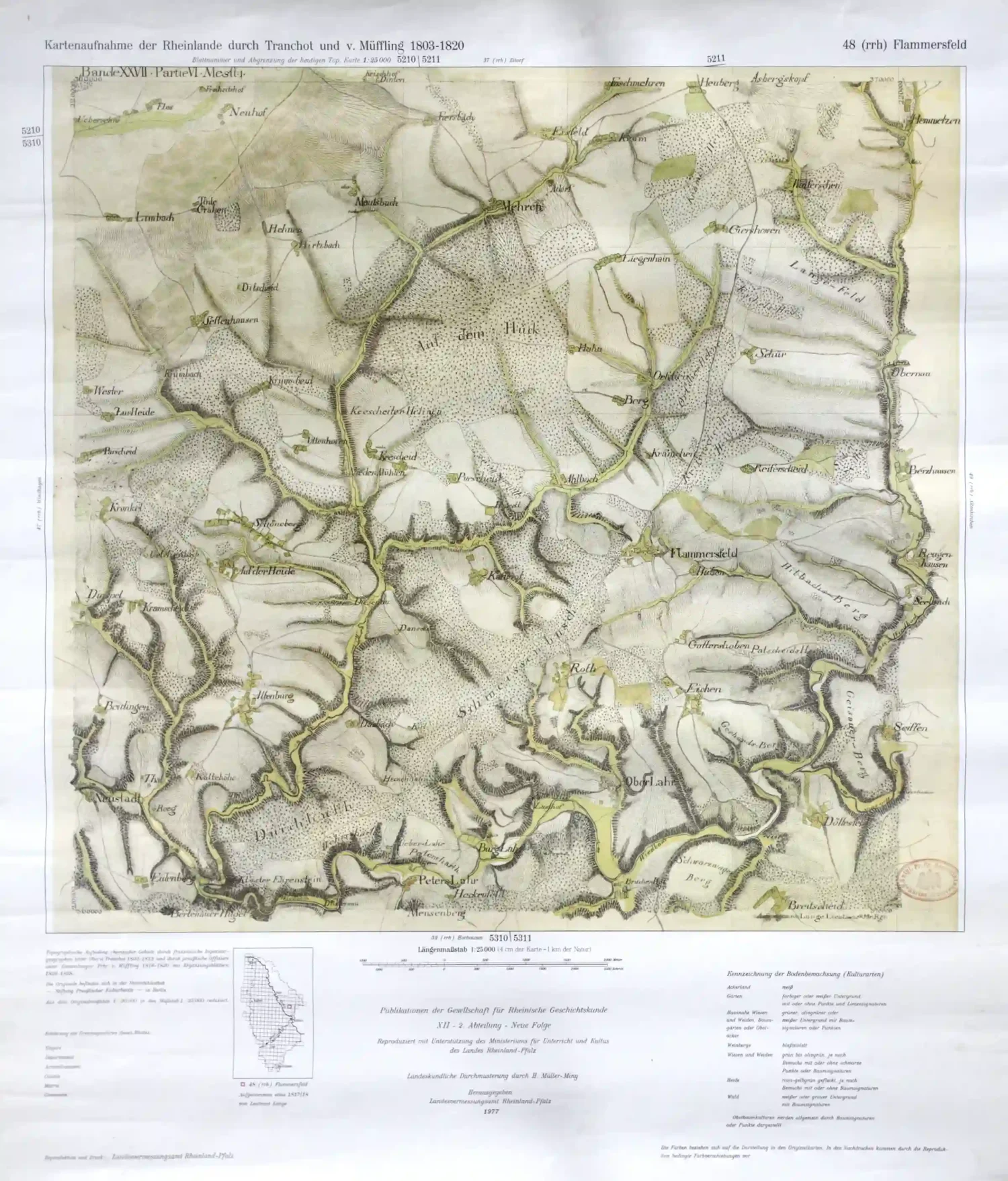
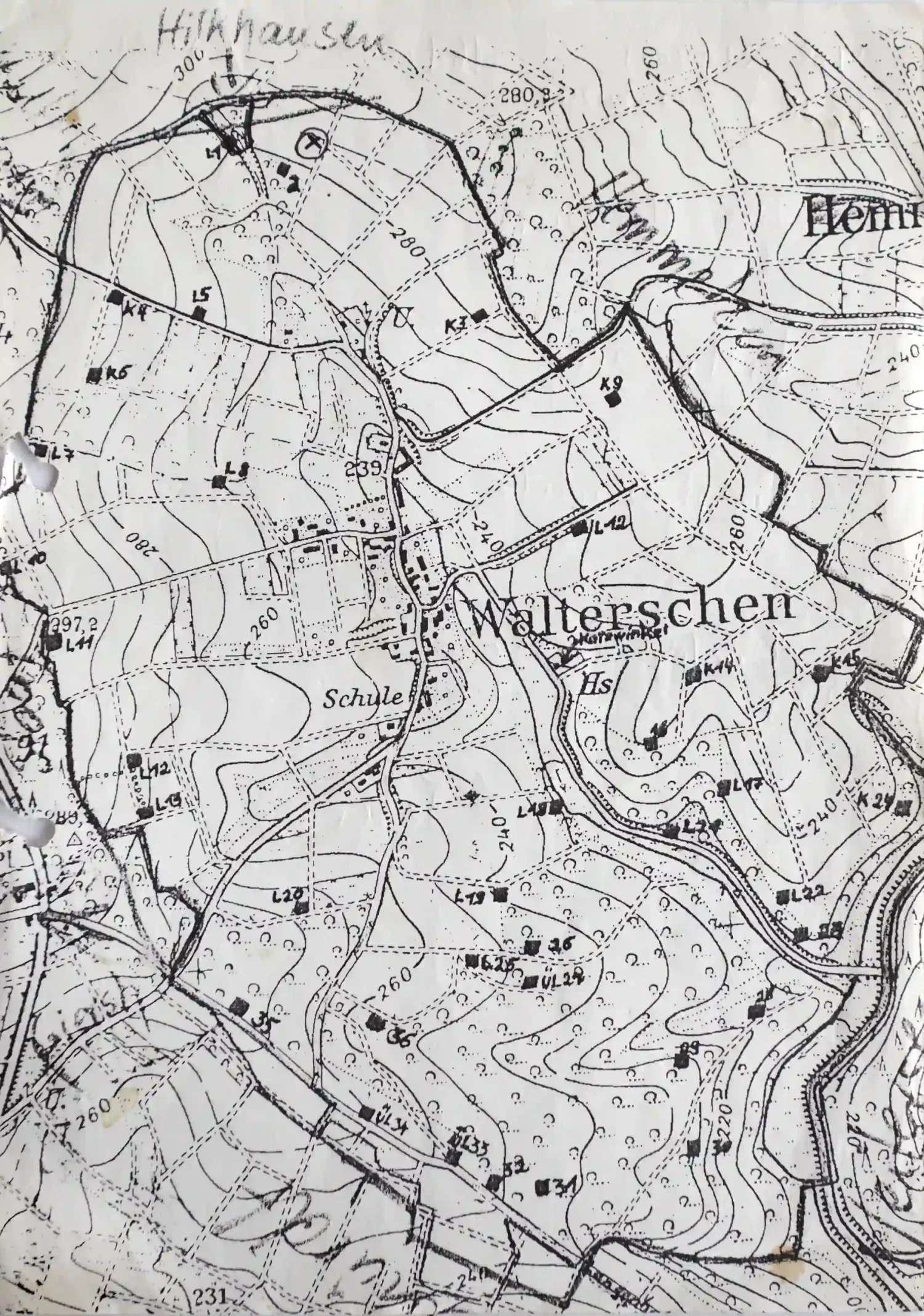


In Kanzeln a route is established within a hunting preserve through 21 blinds placed as small points anchored in the landscape, reflecting three different natural spheres: the countryside, the edge of the forest, and the forest; a kind of topography of the terrain through those observation points. But the route has a very specific purpose, as the blinds are located at strategic points with one aim: to see and not to be seen. The blind, thus, entails an expectation of seeing, desiring, finding and, above all, obtaining; a structure entailing silent hours of waiting and solitude. But this structure also alludes to a camera obscura: an aperture, the window, which serves as a passable boundary, a tiny border between the external and its projection.
Ianua means «threshold» in Old Latin. It comes from the name «Janus,» in Roman mythology the god of starts, transitions, beginnings and endings (hence, also, the name of the first month of the year: January). This sequence of images was made at the Park of Aqueducts, southeast of Rome, a site on the outskirts of the city where the ruins of seven aqueducts and other ancient buildings are located. In Ianua there is a poetic interpretation of a specific moment. The sequence corresponds to intervention in a certain place, a door that offers a future, but continues to observe the past. It sets its sights on a threshold that offers infinite possibilities, blurred by an artificially-created cloud. It presents us with indefinite materialities of that new beginning. It is the representation of a new beginning, the preamble to a new stage, a place in which we are overwhelmed by our uncertain becoming.